Small, sharp residual metal on the cutting edge of the metal itself, also known as burrs, can cause injuries, poor weld fit-up, and potential part failures. That’s why deburring is so essential, and why customers often request deburred parts.
Deburring must be completed prior to welding to enhance weld quality and joint strength. In this article, we’ll break down the deburring processes and explore why deburring is a critical step in any weld operation.
Why Deburring Matters for a Structurally Sound Weld
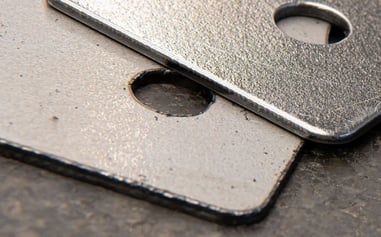
Sharp burrs are common when processing sheet metal. Because sheet metal is a thin material, punching, blanking, and shearing will cause the material to bend before it breaks. This causes small, sharp edges on the cutting side.
The most immediate threat that burrs cause is a safety threat: small, sharp edges can cause serious injury to anyone handling or working with the sheet. But another concern is how burrs impact the welding process. Burrs lead to poor fit and forming and can compromise joint integrity.
Poor Fusion
When you’re fusion welding metal parts, you need a clean, precise edge to achieve tight contact. Otherwise, gaps will force the weld to bridge uneven edges, which compromises joint strength. Without deburring, you’ll end up with poor fusion at the root and structural weakness that jeopardizes your final piece.
Increased Chance of Fatigue
Welding fatigue is a leading cause of structural failure in welded components, and burr plays a major role in why welded joints crack and fail. That’s because sharp burrs increase stress concentrations at the weld toe, which is always a point of concern for cracking.
Deburring As a Pre-Weld Step
Deburring is an essential part of the pre-weld process to ensure that your project is structurally sound and built to last. Before you strike your first arc, make sure that your material is cleaned and free of any burrs that will prevent it from welding properly.
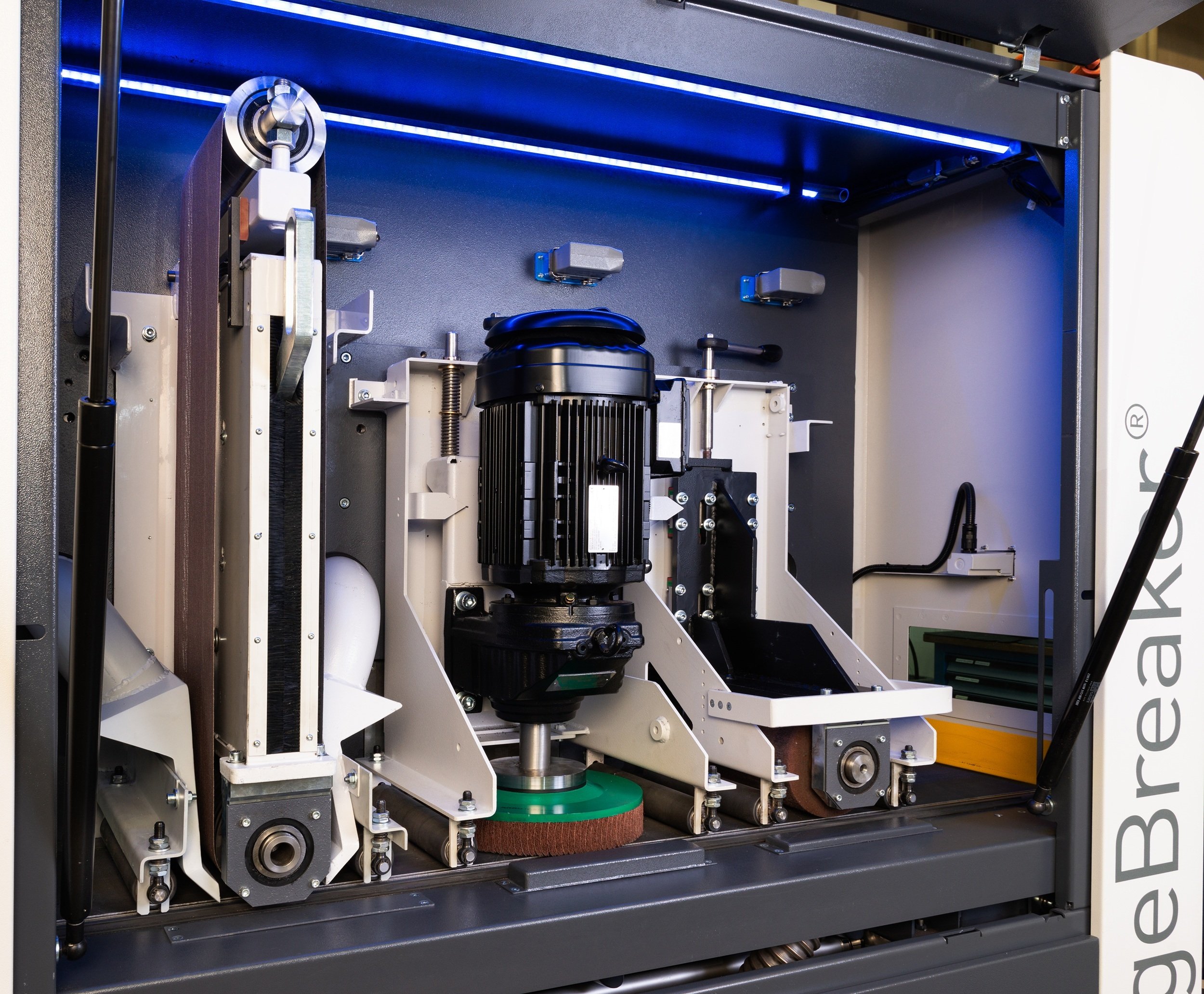
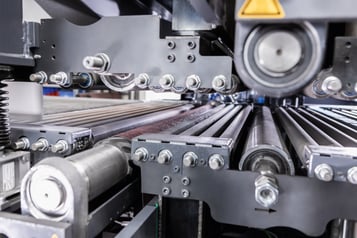
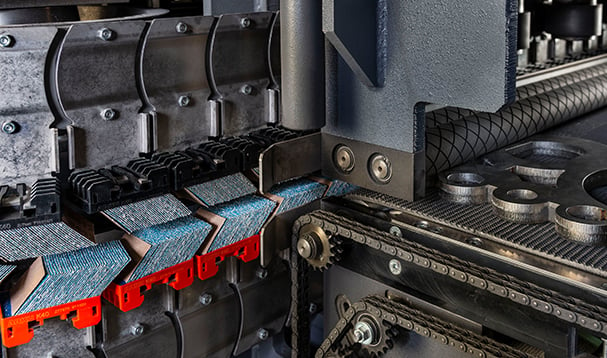
There are several deburring methods that can be used, from manual deburring to fully automated deburring machines, like ARKU’s EdgeBreaker models. Deburring machines can process the entire sheet metal or metal parts prior to cutting and welding.
Risks of Skipping Deburring Before You Weld
Welding without deburring can result in:
- Higher risk of cuts or injuries during welding: Without deburring, you’re left with small, sharp pieces of metal that can cut or scrape during handling.
- Poor weld fit: Welding requires precision, and when the parts you’re joining don’t sit the way they’re supposed to, burrs are often to blame. When burrs remain on your material, it’s highly likely that it won’t bind properly during welding. This can lead to poor structural integrity and joint weakness.
- Aesthetic issues: The look of your final product often makes a difference between a piece you can sell and a piece that ends up scrapped. Sharp burrs and the cracking or distortions they can create during welding can lead to poor execution and quality in your finished product.
After deburring, it’s also important to clean your material before you weld. Residue on the surface can be just as detrimental to your weld as burrs. ARKU machines can be utilized to not only clean the burrs along the edges, but simultaneously clean the metal surface.
Achieve Strong, Quality Welds
ARKU deburring solutions are engineered to remove the manual labor and inconsistency from sheet metal edge finishing pre- and post-weld. Our versatile machines deliver deburring, edge rounding, oxide removal, and surface graining in a single efficient step. Reach out to our experts today to find the perfect automated solution for your specific production needs.
Frequently Asked Questions
What kind of burr tools can be used on welded joints?
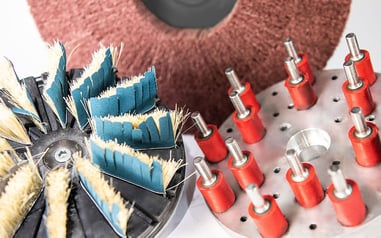
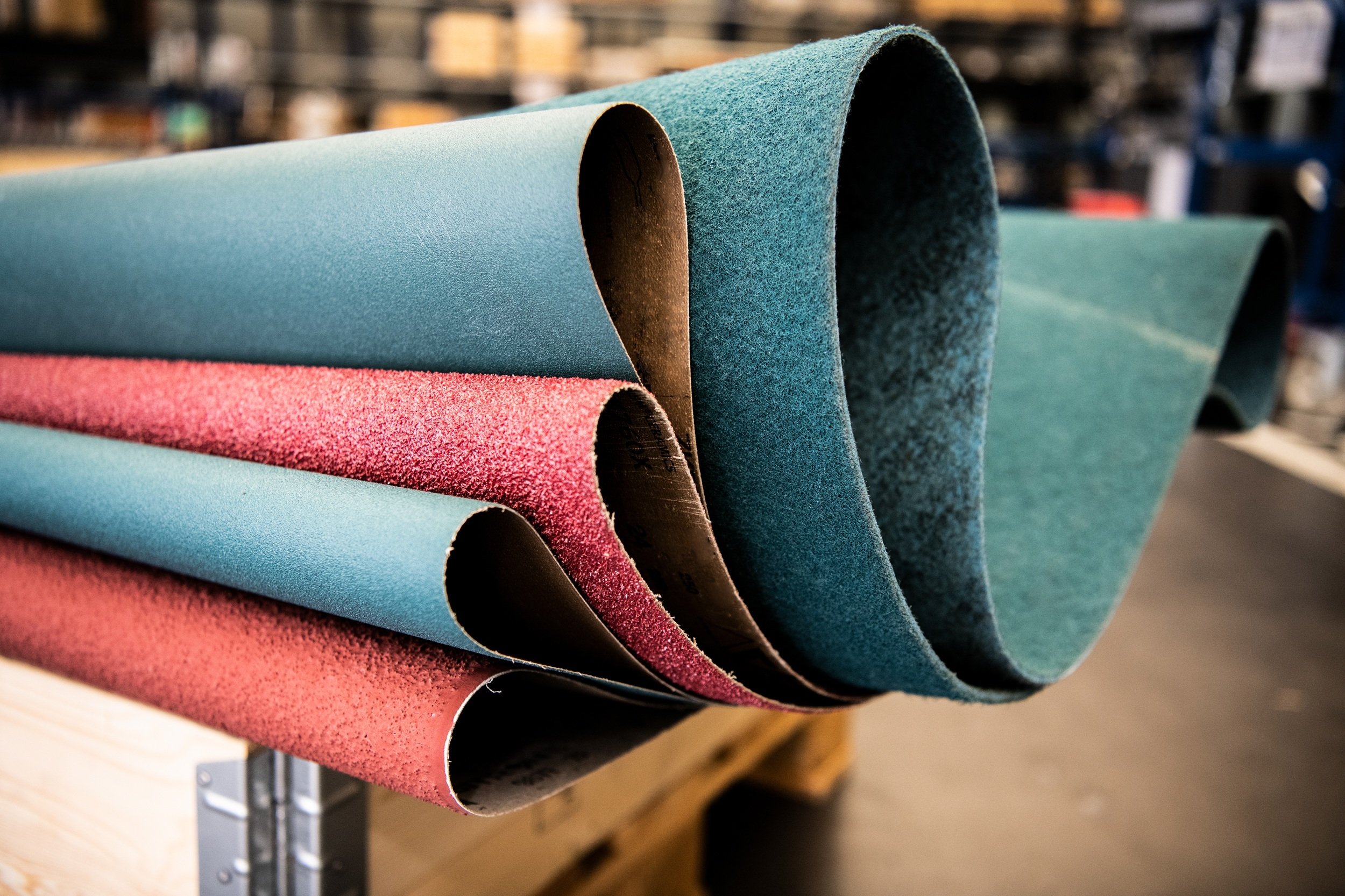
A versatile deburring machine outfitted with the right media such as grinding bocks and wide belts can be used to achieve consistent results for most steel/metal parts, whether for low and high quantities.
How can I ensure my weld quality is consistent and high quality?
Using properly deburred materials that have been processed by a deburring machine, such as the EdgeBreaker models from ARKU.
Is manual or automatic deburring better for sheet metal?
It depends on your output needs, budgetary restrictions, and the efficiency you want to achieve. Mechanical or automated deburring has more significant upfront costs than manual deburring, but it allows you to process sheet metal at scale with consistent results. Plus, advanced deburring machines can perform deburring, edge rounding, oxide removal, and surface finishing in a single operation.